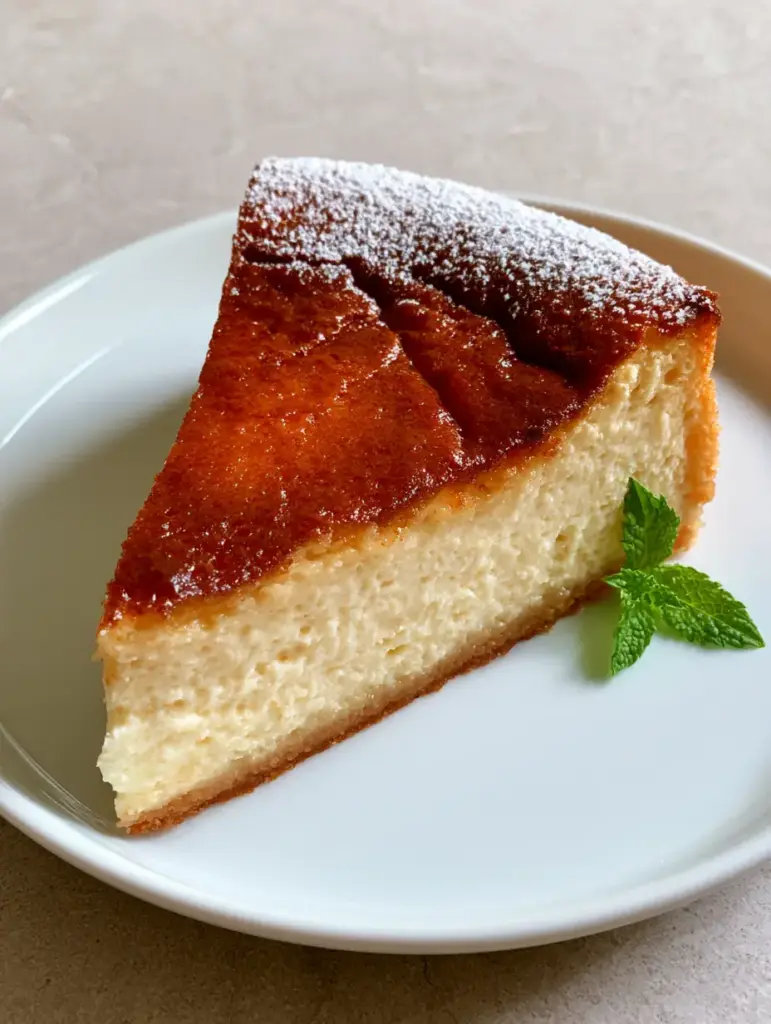
If you have ever wandered through the sun-drenched streets of Palermo, you know that the Sicilian Ricotta Cheesecake is not just a dessert—it is a cultural icon. Unlike its dense, cream-cheese-heavy American cousin, this authentic Italian masterpiece is light, airy, and remarkably sophisticated. This Sicilian Ricotta Cheesecake features a signature deeply caramelized, dark golden-brown top surface with natural fissures that hint at its rustic, homemade charm. Inside, you will find a pale, ivory-colored interior with a texture that is simultaneously creamy and slightly grainy, a hallmark of high-quality ricotta. Whether you are a fan of classic Italian sweets or looking for a gluten-free friendly dessert, this recipe is designed to impress every guest at your table.
Why This Authentic Ricotta Cheesecake Recipe Works
- Perfectly Balanced Texture: The combination of whipped eggs and fresh ricotta creates a dense, creamy, and slightly grainy ricotta texture that melts in your mouth.
- Natural Caramelization: By baking at a precise temperature, we achieve a dark golden-brown top without the need for a water bath.
- Visual Elegance: A light dusting of white powdered sugar and a fresh green mint sprig makes this look like it came straight from a professional Sicilian pasticceria.
- Simple Ingredients: This recipe relies on high-quality staples, much like the simplicity found in a hot honey ricotta pizza.
Choosing the Best Ingredients for Sicilian Ricotta Cheesecake
Success starts with the quality of your dairy. To get that pale ivory-colored interior, you need the freshest ingredients possible.
The Star: Fresh Ricotta Cheese
For this recipe, use 2 lbs (907g) of whole milk ricotta. It is essential to drain your ricotta in a fine-mesh sieve for at least 4 hours—or ideally overnight. Removing the excess whey ensures the cheesecake stays firm and avoids a “weeping” texture. If you love the versatility of this cheese, you might also enjoy spinach and ricotta stuffed meatballs.
Granulated Sugar and Citrus Zest
We use 1 cup (200g) of granulated sugar to provide sweetness without overpowering the delicate milk flavor. To brighten the palate, the zest of 1 large lemon and 1 large orange is folded into the batter. This citrus note is a non-negotiable part of the Sicilian flavor profile.
The Binding Agents: Eggs and Flour
4 large eggs provide the structure. We also add 3 tablespoons (25g) of all-purpose flour (or cornstarch for a gluten-free version) to help stabilize the natural fissures on top. If you prefer a more decadent, cookie-inspired flavor profile for other occasions, check out our cookie butter cheesecake cups.
Step-by-Step Instructions for the Perfect Bake
1. Preparing the Ricotta Base
Start by preheating your oven to 350°F (175°C). Grease a 9-inch (23cm) springform pan generously with butter. In a large mixing bowl, beat the drained ricotta until it is smooth but still retains its slightly grainy texture. This graininess is what distinguishes a Sicilian bake from a New York style.
2. Incorporating the Aromatics
Whisk in the sugar, lemon zest, orange zest, and 1 teaspoon (5ml) of pure vanilla extract. Adding these aromatics directly to the fat of the ricotta helps the flavors bloom during the baking process.
3. Adding the Eggs One by One
Add the 4 large eggs one at a time, beating on low speed after each addition. Do not overmix, as adding too much air can cause the cheesecake to rise and fall too drastically. Finally, fold in the flour and a pinch of salt until just combined.
4. Achieving the Signature Caramelized Top
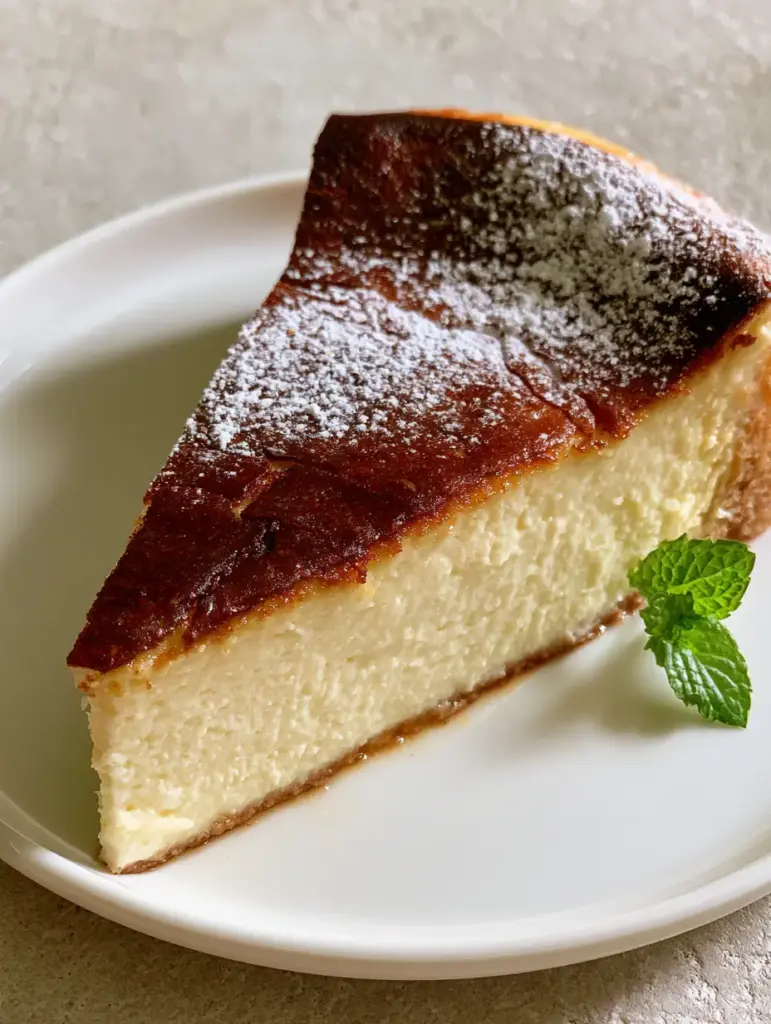
Pour the batter into the prepared pan. Bake for 50-60 minutes. You are looking for a deeply caramelized, dark golden-brown top surface. The center should still have a slight jiggle, but the edges should be set and firm. The natural fissures (cracks) on the top are desirable—they are part of the rustic Sicilian aesthetic!
Visual & Sensory Cues: When Is It Done?
Your Sicilian Ricotta Cheesecake is ready when the kitchen smells of toasted milk and citrus. The triangular slice you eventually cut should reveal a pale, ivory-colored interior. The contrast between the dark top and the light center is the goal. If you like recipes with a similar golden finish, you might enjoy our alabama pecan bread.
Expert Tips for the Best Sicilian Cheesecake
- Temperature Matters: Ensure your eggs and ricotta are at room temperature before mixing to prevent curdling.
- Don’t Skip the Drain: Even “firm” grocery store ricotta contains hidden liquid. Drain it longer than you think you need to.
- The Cooling Process: Allow the cheesecake to cool completely in the pan at room temperature before refrigerating. This prevents the fissures from becoming too wide.
- The Perfect Garnish: Just before serving, apply a fine layer of white powdered sugar using a sifter. Place a fresh green mint sprig next to the edge for a professional finish.
Storage, Reheating & Freezing
To Store: Keep the cheesecake in the refrigerator, covered loosely with plastic wrap, for up to 5 days. It actually tastes better on the second day as the flavors meld.
To Freeze: This cheesecake freezes surprisingly well. Wrap individual slices in plastic wrap and then foil. Freeze for up to 1 month. Thaw in the refrigerator overnight before serving.
What to Serve With Sicilian Ricotta Cheesecake
This dessert is traditionally served at the end of a hearty meal. Pair it with a shot of espresso or a glass of chilled Vin Santo. If you are looking for a complete menu, consider starting with chicken vegetable stew or a light avocado egg salad for lunch before diving into this rich dessert.
Frequently Asked Questions
For the best flavor and texture, whole milk ricotta is highly recommended. Low-fat versions often contain more moisture and stabilizers, which can affect the final set.
No, a water bath is not necessary. The higher heat helps achieve the deeply caramelized, dark golden-brown top that defines this recipe.
Drain the ricotta for at least 4 hours, but overnight is best. This ensures the ivory-colored interior remains dense and creamy rather than watery.
This recipe uses a small amount of flour for stability. You can easily make it gluten-free by substituting the 3 tablespoons of flour with cornstarch or a gluten-free flour blend.
Natural fissures are a signature feature of this rustic cake. Unlike New York cheesecake, these cracks are expected and add to the authentic Sicilian aesthetic.
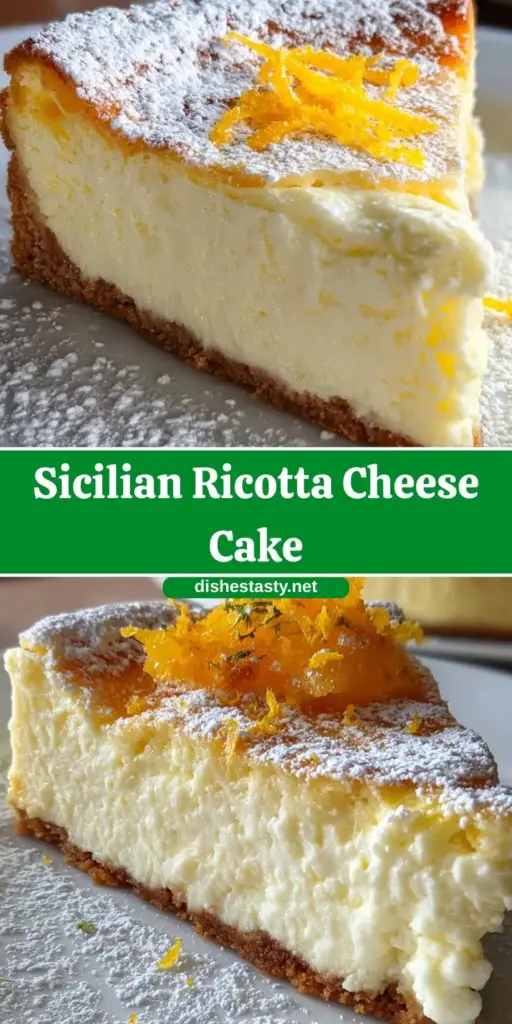
The Authentic Sicilian Ricotta Cheesecake Recipe
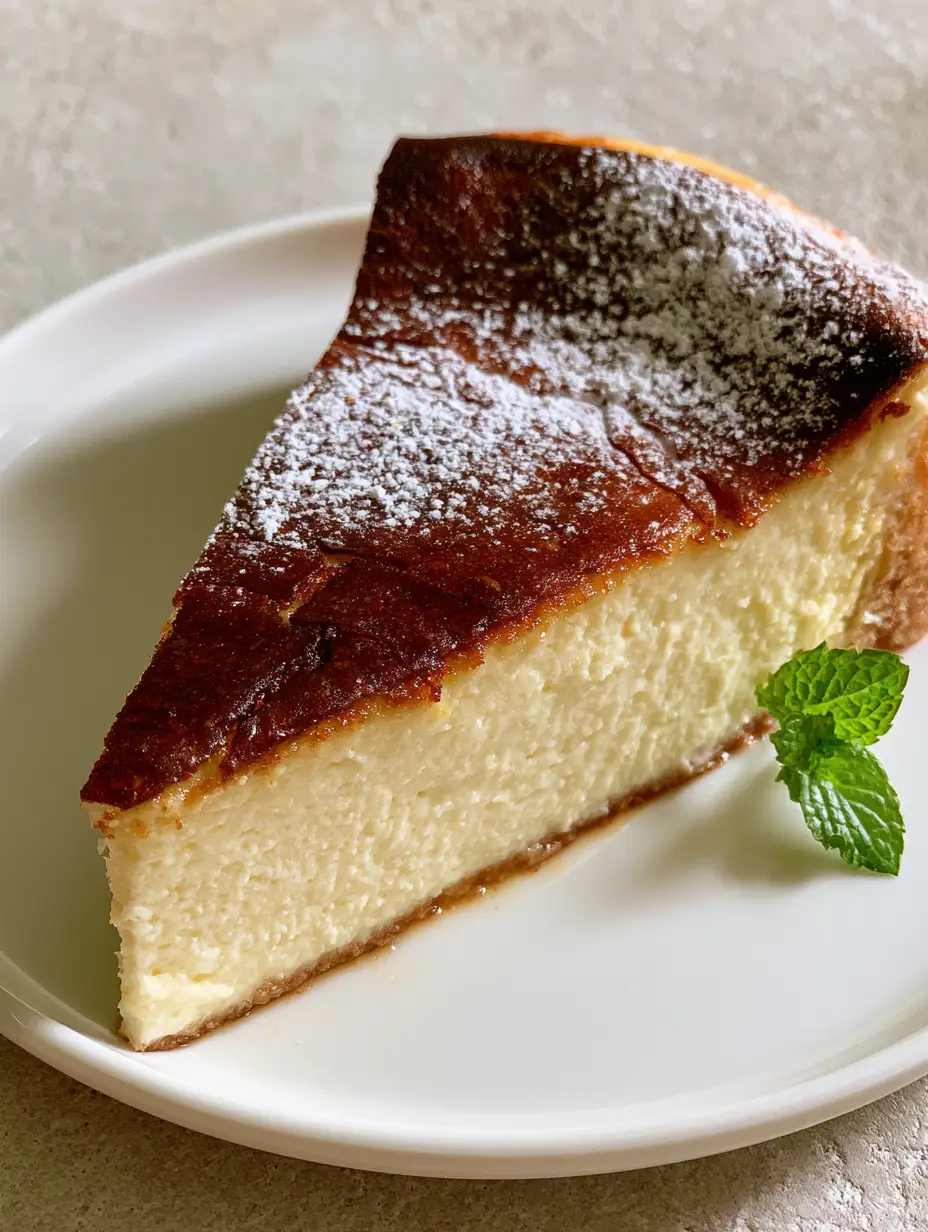
Sicilian Ricotta Cheesecake: The Authentic Crustless Italian Dessert
Ingredients
Equipment
Method
- Place the ricotta in a fine-mesh sieve over a bowl. Let it drain in the fridge for at least 4 hours to remove excess liquid.
- Preheat your oven to 350°F (175°C). Butter a 9-inch springform pan and line the bottom with parchment paper.
- Beat the drained ricotta and sugar together until smooth but still maintaining a slightly grainy texture.
- Mix in the lemon zest, orange zest, vanilla, and salt.
- Incorporate eggs one at a time, beating briefly after each addition. Fold in the flour until just combined.
- Pour into the pan and bake for 50-60 minutes until the top is deeply caramelized and golden brown with natural fissures.
- Cool completely, then refrigerate. Before serving, dust with powdered sugar and garnish with a mint sprig.
Notes
Don't be afraid of the cracks on top; they are the signature look of a Sicilian cheesecake.
Join the Community & Share Your Bake!
Did you master the Sicilian Ricotta Cheesecake? We would love to see your results! Please save this recipe to your Pinterest boards so you can find it later. If you made it, leave a comment below and upload a photo of your slice—especially if you captured those beautiful natural fissures! Don’t forget to give this recipe a 5-star rating if you loved it. Happy baking!