Baking Soda Balloon Experiment enthusiasts, get ready for the most satisfying chemical reaction you can create right on your kitchen counter! If you have ever wondered how to turn pantry staples into a viral-worthy science project, you are in the right place. This experiment isn’t just for kids; it is a masterclass in gas expansion and acid-base reactions that every home cook should understand.
Watching a bright, solid-colored latex balloon inflate itself is pure magic. We are bridging the gap between culinary leavening and backyard chemistry. By the end of this guide, you will understand exactly how sodium bicarbonate works its wonders, making this a perfect weekend activity before you settle in for a slow cooker chicken thighs dinner.
Why This Fizzy Reaction Is The Ultimate Visual Thrill
- Instant Gratification: The moment the powder hits the liquid, you get a vigorous chemical reaction with immediate inflation.
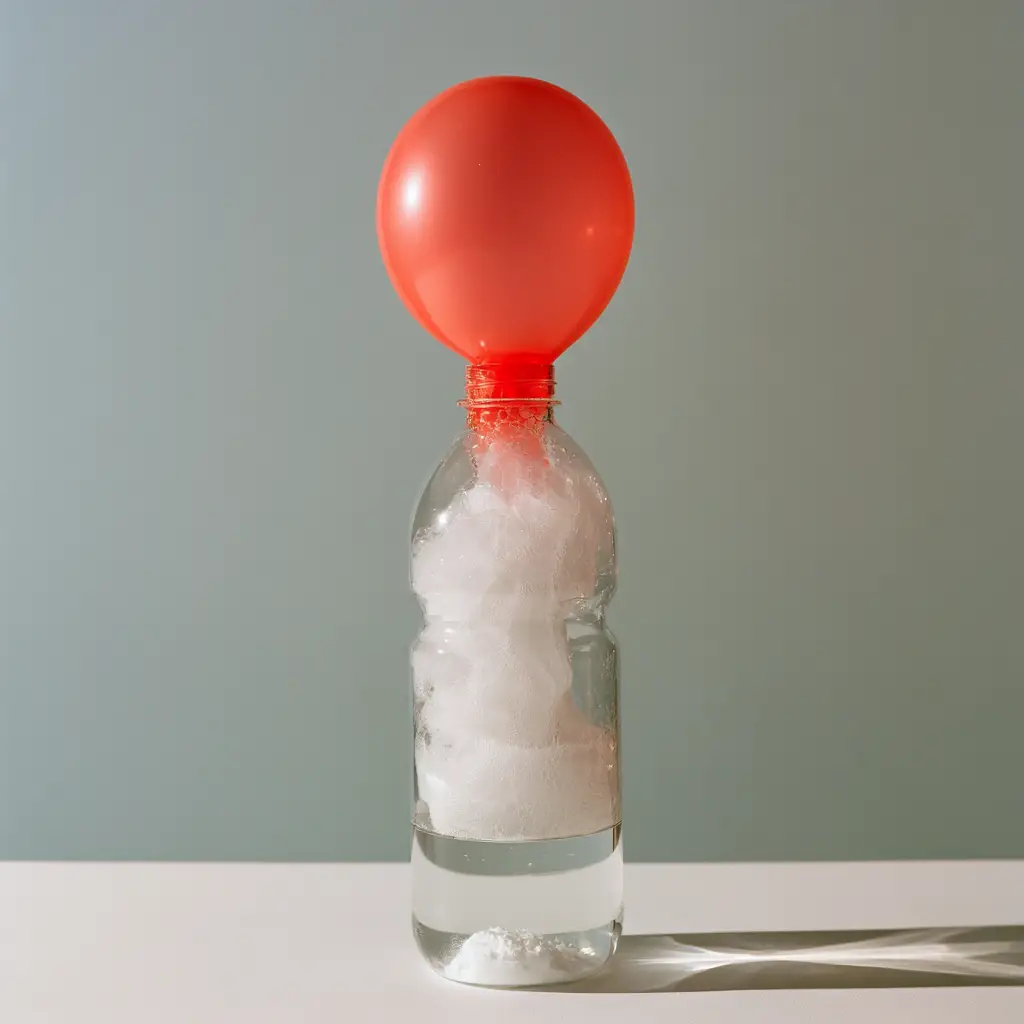
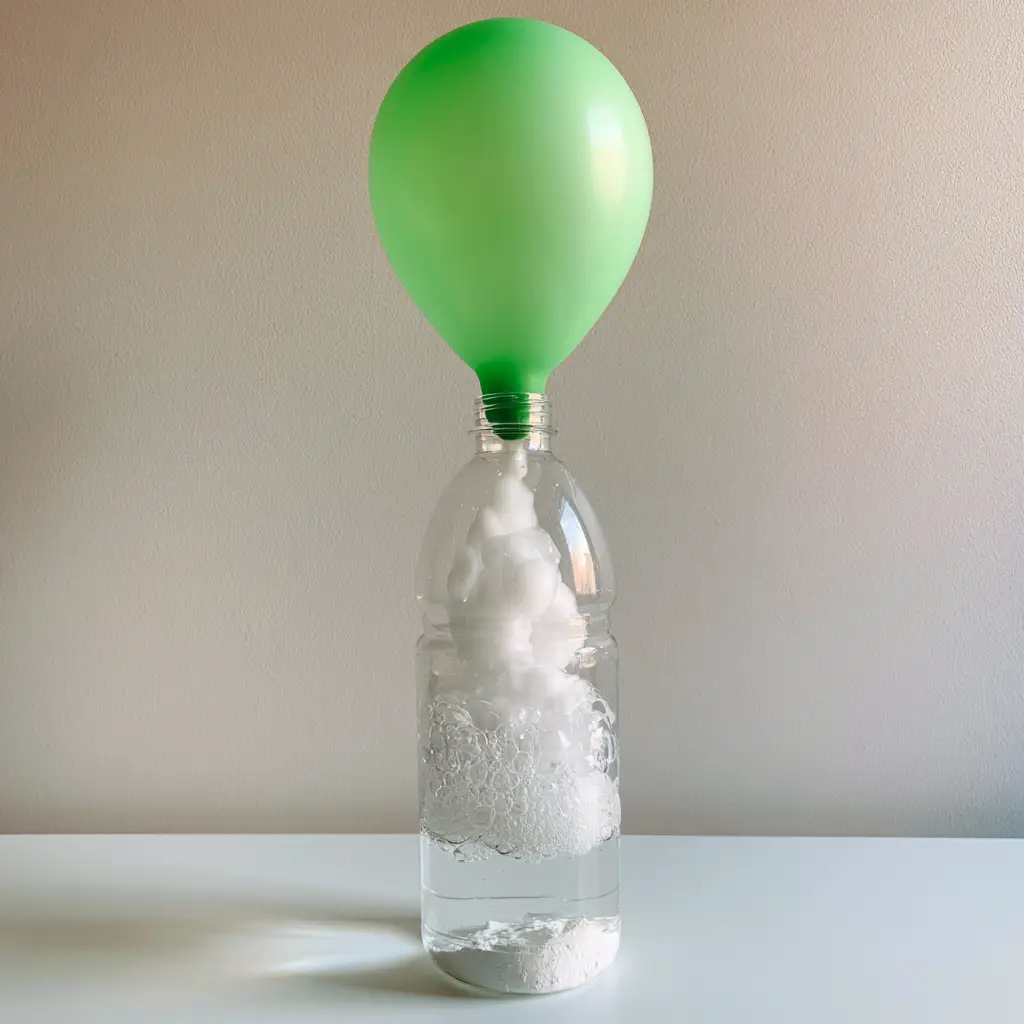
- Thick Effervescent Bubbles: Watch as thick, white fizzing foam rises rapidly, nearly reaching the neck of the bottle.
- Satisfying Textures: From the fine white powder residue at the base to the taut surface of the inflated balloon, the contrasts are stunning.
- Educational Fun: It perfectly illustrates how carbon dioxide gas occupies space, a concept crucial for making alabama pecan bread rise.
Essential Supplies for Your Fizzy Science Lab
To achieve that perfect Baking Soda Balloon Experiment result seen in our photos, you need specific ratios. Science, much like baking a lemon cream cheese dump cake, relies on precision.
Distilled White Vinegar: You will need 1 cup (240ml). The acetic acid is the primary liquid reactant that triggers the fizz.
Baking Soda (Sodium Bicarbonate): Use 2 tablespoons (30g). This fine white powder is the base that reacts with the vinegar to produce CO2.
A Clear Plastic Water Bottle: A standard 16.9 oz (500ml) bottle works best. Transparency is key so you can see the vigorous chemical reaction occurring inside.
Latex Balloons: Choose bright, solid-colored balloons. They provide the best visual contrast against the white foam.
Small Funnel: This is the secret to getting the powder into the balloon without a messy cleanup.
The Step-by-Step Gas Expansion Process
Preparing Your Reaction Vessel
Start by cleaning your clear, transparent plastic water bottle. Dry the outside thoroughly so it sits securely on a plain white surface. This ensures the best lighting for your photos.
Pour 1 cup (240ml) of vinegar into the bottle. The bottom third of the bottle should be filled with the clear liquid. Avoid splashing the sides of the neck, as you want the powder to drop cleanly later.
Loading the Balloon Catalyst
Attach your small funnel to the mouth of the bright latex balloon. Carefully spoon in 2 tablespoons (30g) of fine white powder residue—which is your baking soda. Shake the funnel gently to ensure all the powder settles in the bulb of the balloon.
If you don’t have a funnel, you can roll a piece of paper into a cone. Just like prepping for savory beet macarons, the right tools make the technique much easier!
The Big Inflating Moment
This is the most critical part of the Baking Soda Balloon Experiment. Carefully stretch the mouth of the balloon over the mouth of the bottle. Do not let any baking soda fall into the vinegar yet.
Ensure the balloon is centered and tight. When you are ready, lift the balloon upright. The baking soda will tumble into the vinegar, initiating the vigorous chemical reaction.
You will immediately see thick, white effervescent bubbles and fizzing foam rising from the liquid. The balloon will begin to stand upright and become fully inflated by gas within seconds!
Expert Tips for Success
- Temperature Matters: Use room temperature vinegar. Cold vinegar slows down the molecular movement, resulting in a slower, less “viral” inflation.
- Check for Leaks: If the balloon isn’t standing upright, check for a hiss. A tiny tear in the latex will ruin the Baking Soda Balloon Experiment.
- Residue Analysis: After the reaction, notice the fine white powder residue at the bottom. This is unreacted baking soda, proving you had a “limiting reactant” situation!
- Double the Fun: Use food coloring in the vinegar to make the fizzing foam match your balloon color for a monochromatic aesthetic.
Cleaning Up and Safety
While these are kitchen staples, don’t drink the mixture! Once the reaction stops and the vigorous bubbles subside, carefully remove the balloon over a sink. The liquid can be poured down the drain, and the bottle can be recycled.
If you get vinegar on your hands, simply wash with soap and water. It’s much less messy than making ground chicken sloppy joes, but still requires a quick wipe down.
What to Explore Next
If you loved this Baking Soda Balloon Experiment, you might enjoy other “active” kitchen projects. Understanding how gas works is the first step to mastering sourdough or even a chicken bubble biscuit bake.
Try varying the amount of vinegar to see if the balloon gets larger, or use a larger bottle to see how the fizzing foam behaves differently. Science is all about iteration!
Frequently Asked Questions
Yes, any vinegar containing acetic acid will work, though white vinegar is preferred for the cleanest visual of the ‘vigorous chemical reaction’.
The balloon will stay inflated as long as the gas is trapped. However, carbon dioxide molecules can eventually leak through the latex pores, causing it to deflate over several hours.
It is safe with adult supervision. Ensure children do not inhale the powder or ingest the vinegar mixture, and handle the latex balloon carefully to avoid choking hazards.
The white fizzing foam is a mixture of carbon dioxide gas bubbles trapped in the liquid vinegar and water solution created during the chemical reaction.
This usually happens if there is a leak in the seal between the balloon and the bottle mouth, or if you didn’t use enough baking soda to generate sufficient carbon dioxide gas.
The Official Baking Soda Balloon Experiment Procedure
Baking Soda Balloon Experiment: A Fizzy Kitchen Science Tutorial
Ingredients
Equipment
Method
- Pour the vinegar into the clear plastic bottle until the bottom third is filled.
- Use a funnel to fill the latex balloon with 2 tablespoons of baking soda.
- Stretch the mouth of the balloon over the bottle neck without letting the powder fall in.
- Lift the balloon so the baking soda falls into the vinegar, creating vigorous white foam and inflating the balloon.
Notes
Ensure the balloon seal is tight to prevent gas leakage.
Save This Experiment for Later!
Did your balloon reach massive heights? We want to see it! Pin this post to your “Science for Kids” or “Kitchen Hacks” board on Pinterest so you never lose the instructions.
Follow evay_eats for more kitchen-based experiments and delicious recipes. If you tried this, leave a 5-star rating on the recipe card below and upload a photo of your bright, solid-colored latex balloon in the comments. Let’s see those bubbles!